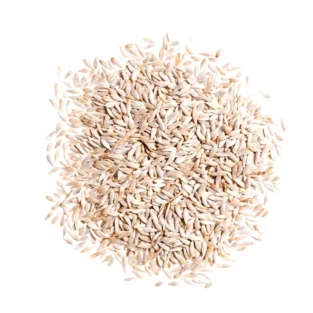







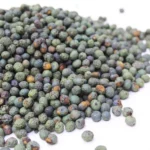
Gundelia Seeds (Sissi/Habbul Zulam) حب الزلم

₨500.00
- Description
Description
Overview
Gundelia is a genus of flowering plants belonging to the family Asteraceae.
It can be found from February to May.
The stems of this plant dry-out when the seeds are ripe and break free from the underground root, and are then blown away like a tumbleweed, thus spreading the seeds effectively over large areas with little standing vegetation.
This plant is native to the eastern Mediterranean and the Middle-East.
Opinions differ about the number of species in Gundelia.
Benefits
Nutritional Content:
Gundelia is reported to be rich in nutrients, including vitamins and minerals.
The tender shoots and flower buds are often consumed in traditional dishes, providing a potential source of essential nutrients.
Culinary Uses:
In Middle Eastern cuisine, Gundelia tournefortii is used in various culinary preparations.
It is often added to salads, stews, omelets, or pickles.
The slightly bitter taste of Gundelia adds a distinctive flavor to dishes.
Traditional Medicine:
In some traditional medicine practices, extracts from Gundelia have been studied for potential health benefits. These include antioxidant and anti-inflammatory properties. However, it’s important to note that scientific research on the medicinal properties of Gundelia is still in the early stages.
Fiber Content:
Like many plant-based foods, Gundelia may contain dietary fiber, which is beneficial for digestive health.
Local Medicinal Uses:
In certain regions, Gundelia has been used in traditional medicine for various purposes, including its potential as a diuretic, to treat respiratory conditions, or to address digestive issues. Local communities may have specific uses and preparations based on their traditional knowledge.